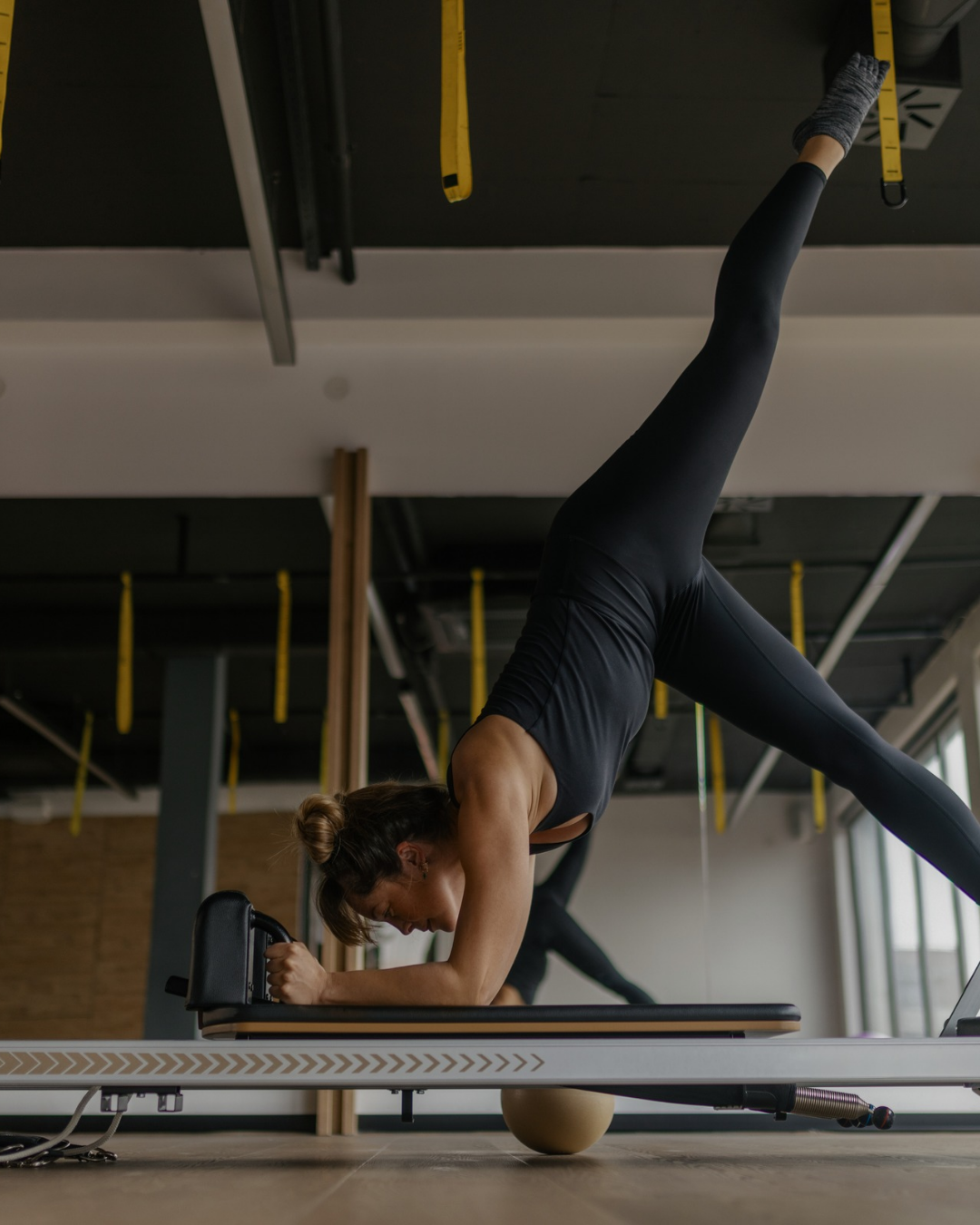
Certification Gets You In the Room. This Is What Keeps You There.
I've trained a lot of instructors over the years. Watched a lot of people move from "technically correct" to genuinely good, and watched some very technically correct people stay exactly where they started, no matter how many extra courses they collected.
That gap is what I want to talk about, because I don't think it gets talked about honestly enough. Most of the industry conversation around becoming a "good instructor" is really a conversation about becoming a qualified one: certifications, hours logged, apparatus you're signed off on. All of that matters. None of it is actually the thing.
Correct isn't the same as good
A technically correct instructor can demonstrate the exercise properly, deliver the standard cues in the right order, and run a class that looks, on paper, exactly like it should. That's not nothing- it's the floor, and plenty of instructors never reliably get there.
But a room full of people doesn't experience "correct." They experience whether you noticed them.
The instructors I've watched become genuinely good are the ones who stopped treating a class as a script to deliver and started treating it as a room to read. Same choreography, same apparatus, same cueing vocabulary as everyone else who trained alongside them and somehow a completely different experience for the person on the reformer. The difference isn't knowledge. It's attention.
The tell is in what happens when something goes wrong
Anyone can teach a clean class when nothing surprises them. The real test is the moment someone's body doesn't do what the plan assumed it would- an old injury flares, someone's exhausted from their week and can't find the strength they had last session, someone's clearly distracted and their form is falling apart because their head isn't in the room.
A technically correct instructor either doesn't notice, or notices and reaches for the nearest standard cue anyway, because the standard cue is what they know. A good instructor changes course in real time, sometimes with words, often without drawing attention to it at all, because they were never just running a script. They were watching a person, and the script was only ever a starting point.
That's a harder skill to teach than sequencing or apparatus setup, and it's the one that actually separates instructors once the certificate is framed on the wall and everyone's theoretically qualified to teach the same class.
Presence is trainable, even if it isn't a checklist
I don't think this is some innate gift certain people have and others don't. I think it's a habit that gets built or doesn't, depending on what an instructor is taught to pay attention to early on.
If your training only ever tests whether you can recite the cue in the right order, you'll get instructors who are excellent at reciting cues in the right order. If somewhere in that training you're also taught to watch, to notice the half-second hesitation before someone commits to a movement, to hear the quality of someone's breath change before they say anything, to feel when a room's energy has shifted and adjust your pace before anyone tells you to, you start building instructors who can actually respond to what's in front of them instead of what the lesson plan predicted would be in front of them.
That's the thing I actually care about developing in the instructors I train: not just whether they know the material, but whether they've built the habit of watching for what the material alone won't tell them.
What I look for now
When I'm assessing whether someone's ready to move from "can teach the class" to "is a good instructor," I'm not mostly looking at their form anymore. I'm watching whether they notice things I didn't point out to them. Whether they adjust before a client's frustration becomes visible. Whether they can tell me, afterward, something true about how a specific person in that room was actually doing — not just whether the class ran on time and hit the right exercises.
None of that shows up on a certification. All of it shows up in the room, every single class, whether anyone's grading it or not.
If you're early in your teaching career and wondering what to actually spend your energy developing beyond the qualifications everyone else in your cohort is also collecting, that's it. Learn to watch. The cueing catches up faster than people expect. The watching is the part worth being patient with.
- Porscha