What Even Is Contemporary Pilates? Mapping Where the Method Sits Today
If you've spent any real time in a Pilates studio, teaching or being taught, you've heard some version of this question, usually asked half-jokingly and half-seriously: "But is it actually Pilates?"
It comes up when a class looks different from what someone learned in their teacher training. It comes up in comments under a reel of a reformer class set to a playlist Joseph Pilates never would have imagined. It comes up between instructors, at industry events, in the quiet competitive space between studios. And it's usually asked like there's a clean, obvious answer sitting somewhere just out of reach.
There isn't. But the question is worth taking seriously, because the answer changes how you teach, how you train other instructors, and what you think you're actually protecting when you protect "the method."
The tension is older than you think
Contemporary Pilates gets treated, in a lot of industry conversation, as the newer, looser, more commercial cousin of "real" classical Pilates, as if classical Pilates is a fixed, complete thing that contemporary formats have drifted away from.
That framing doesn't hold up well once you look at where the classical standard itself actually came from.
Joseph Pilates died in 1967. He left behind a philosophy, a body of apparatus he built and kept redesigning throughout his life, and one book, Return to Life Through Contrology, that reads more like a manifesto than a manual. What he did not leave behind was a tidy list of six Principles.
The Principles most of us were taught: Breath, Concentration, Control, Centring, Precision, Flow, were published in 1980, thirteen years after he died, by Philip Friedman and Gail Eisen, students of Romana Kryzanowska, in The Pilates Method of Physical and Mental Conditioning. Thirteen years is long enough that the "classical standard" most studios train against is itself an act of interpretation- a generation of his own students trying to name and codify something he taught by feel, in his own body, in his own studio, without ever writing it down as a checklist.
That doesn't make the Principles less valuable. If anything, it makes them more interesting: they were never handed down as scripture. They were built, by people close enough to the source to have earned the right to try.
Which raises the actual question underneath "is it Pilates": if the standard we're all measuring against was itself an evolution, what exactly are we protecting when we resist evolving it further?
Where "contemporary" actually sits
"Contemporary Pilates" isn't one thing, and treating it like a single category is part of why the debate gets muddled. In practice, the industry today spans a real spectrum:
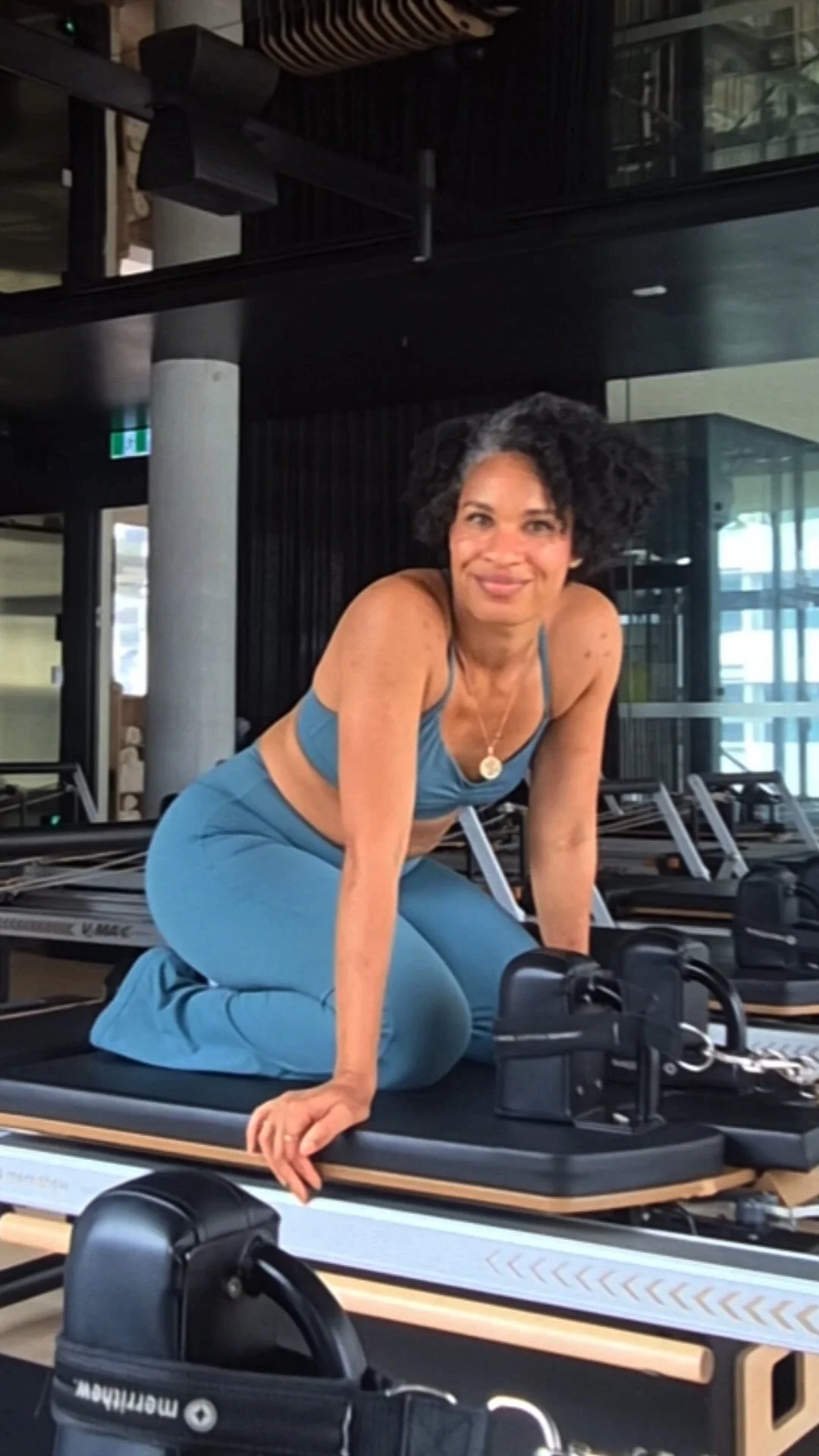
At one end, there are studios and teacher-training lineages that hold closely to classical order, classical apparatus, and classical cueing language, often with direct lineage back to one of Joseph Pilates' own students. At the other end, there are boutique group-reformer studios, hybrid fitness-Pilates formats, megaformer-style equipment, and app-based or on-demand instruction, all of which borrow Pilates' apparatus and vocabulary while building something closer to a general fitness class around it.
Most working instructors and most studios, including the ones built for volume and accessibility rather than purist training — sit somewhere in the middle. They've adapted cueing for what we now understand about biomechanics that wasn't known in the 1920s. They teach larger groups, not just the one-on-one or small-group format Pilates was originally taught in. They incorporate music, pacing, and energy that owes as much to modern group fitness as it does to Contrology.
The purist critique of that middle ground is that it risks turning Pilates into "just a workout" — losing the precision, the mind-body integration, the diagnostic attentiveness that made it Pilates in the first place, and keeping only the shapes. That's a fair concern, and it happens. Contemporary formats absolutely can be diluted to the point where nothing but the apparatus name survives.
The contemporary counter-argument is just as fair: treating 1920s equipment and 1920s cueing as permanently correct, regardless of what we've since learned, isn't fidelity — it's stagnation dressed up as respect. Joseph Pilates himself never stopped redesigning his own apparatus. Standing still was never the classical position. He was, by every account, one of the more restless innovators of his era.
Both sides are protecting the same thing
Here's the reframe that actually matters, and the one I want to spend more time on in future posts: classical and contemporary Pilates aren't opposing camps defending different things. They're two expressions of the same protective instinct — a real, well-founded love for a method that works, and a fear of watching it get hollowed out until the name is the only thing left.
Once you see it that way, "is it Pilates?" stops being a useful question, because it's really asking about format — apparatus, studio aesthetic, class size, music — none of which was ever the actual substance of the method.
The more useful question is: is the work grounded in the same principles that made it Pilates to begin with, regardless of what era, room, or format it's happening in? That's a diagnostic question, not a stylistic one — and it's the one I think the industry needs to get more comfortable asking, out loud, instead of litigating format.
— Porscha